
Forest & Agriculture Intelligence
Detecting pine nests with AI
The Pine Processionary
Understanding its impact and why early detection is crucial.
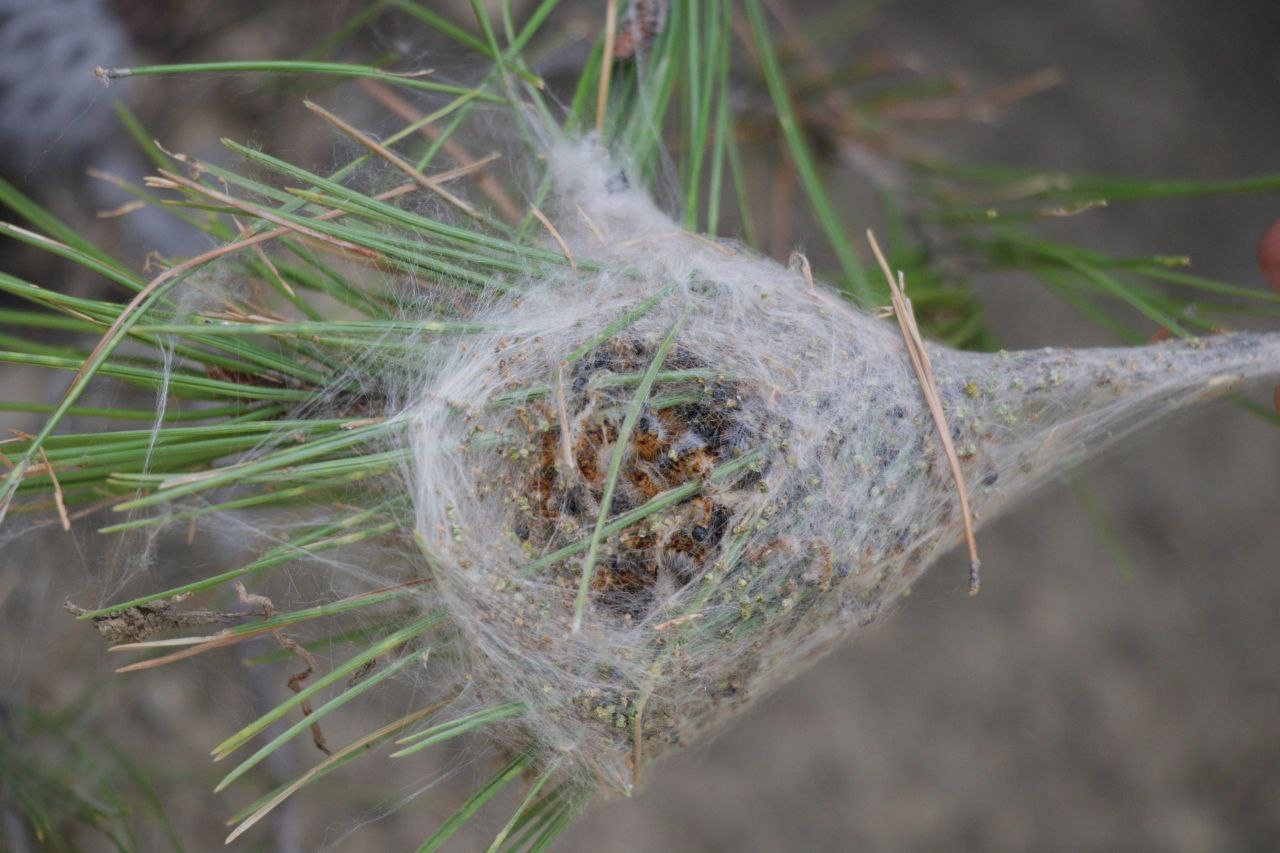 The pine processionary caterpillar (*Thaumetopoea pityocampa*) is a serious pest affecting pine forests in many regions. These caterpillars defoliate trees by consuming their needles, weakening them and making them more susceptible to diseases, drought, and other environmental stressors. Severe infestations can lead to tree death, altering forest ecosystems and reducing biodiversity.
Beyond ecological damage, the pine processionary caterpillar poses significant health risks to humans and animals. Their bodies are covered in toxic, airborne hairs that can cause severe allergic reactions, skin irritation, and respiratory issues. Dogs, livestock, and even people who come into contact with these hairs may suffer from painful rashes or, in extreme cases, anaphylactic shock.
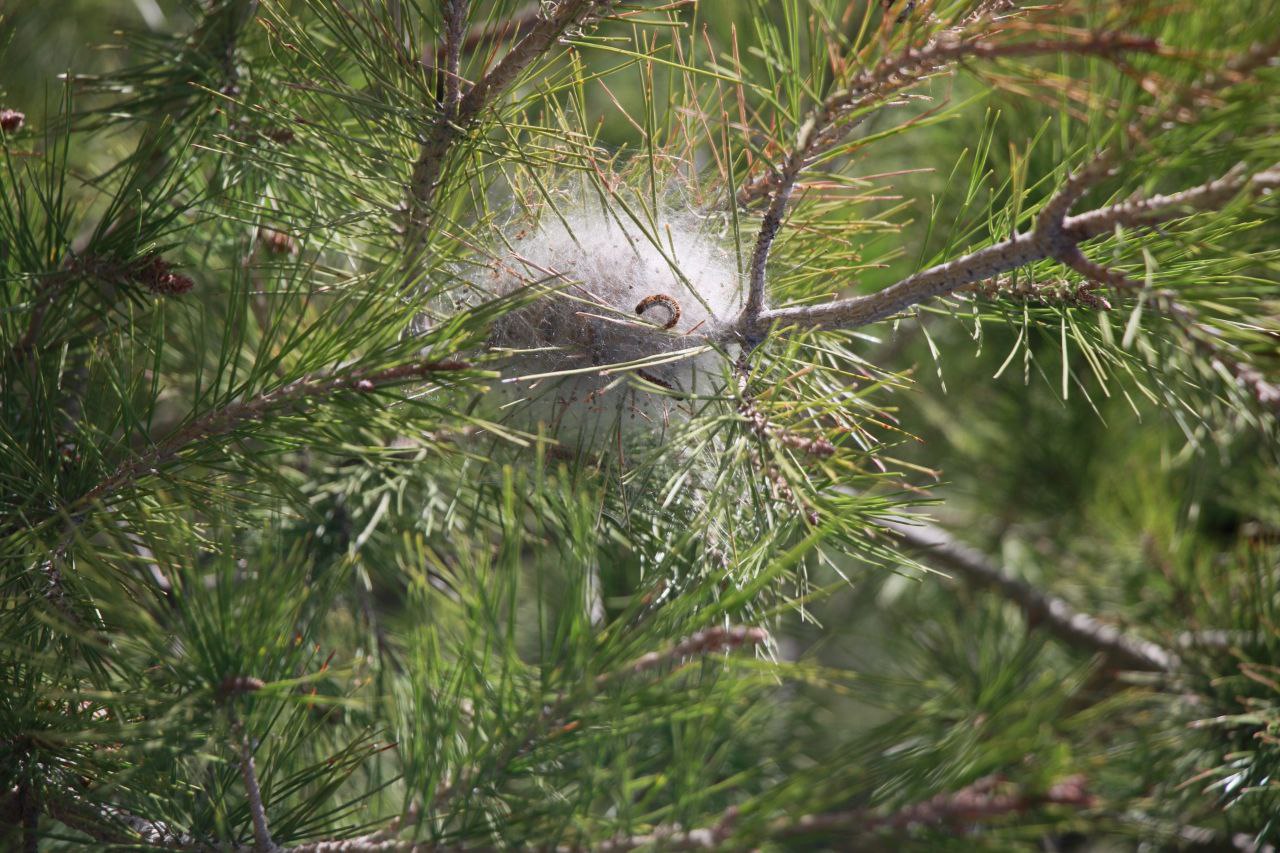 Traditionally, detection of pine processionary nests relies on manual inspections by forest rangers and researchers. However, this method is not only time-consuming and costly but also inefficient in covering large forested areas. Many nests go undetected until infestations have spread significantly, making control efforts more difficult.
To address these challenges, we leverage artificial intelligence and drone technology to automate the detection of pine processionary nests. Using aerial imagery and deep learning models, our system can quickly scan vast forested areas, identifying and mapping infested trees with high accuracy. This allows forest managers to take timely action, implementing targeted pest control measures to prevent widespread damage.
Our project aims to revolutionize forest monitoring by providing an efficient, scalable, and cost-effective solution for detecting pine processionary nests. By harnessing the power of AI, we contribute to healthier forests, better ecosystem management, and reduced risks for both wildlife and human populations.
Negative Impact of Processionary Nests
 Impact on Trees: Pine processionary caterpillars consume pine needles, weakening trees and making them vulnerable to drought, disease, and other pests. Severe infestations can lead to tree death and large-scale forest degradation.
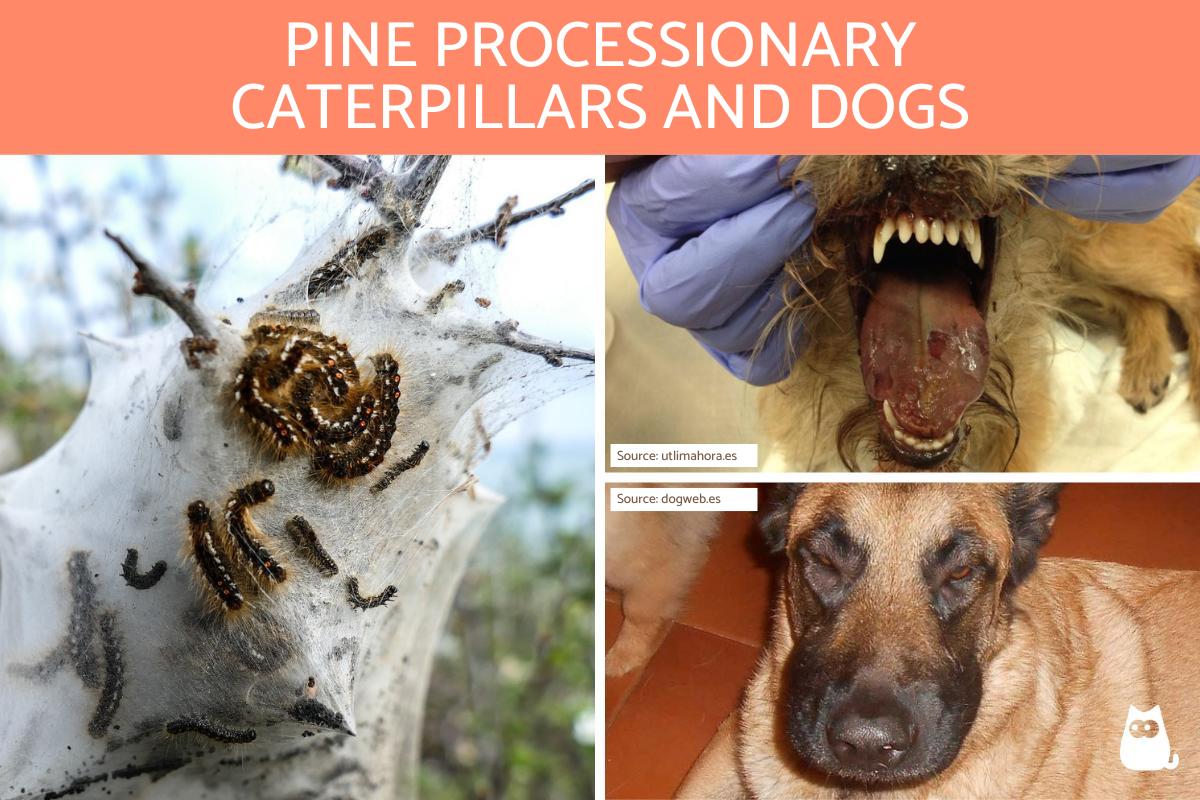 Health Risks for Humans and Animals: The caterpillar’s tiny hairs are highly toxic and airborne, causing skin irritation, eye inflammation, and severe allergic reactions. Pets and livestock are particularly vulnerable, sometimes suffering fatal consequences upon exposure.
Our AI Model
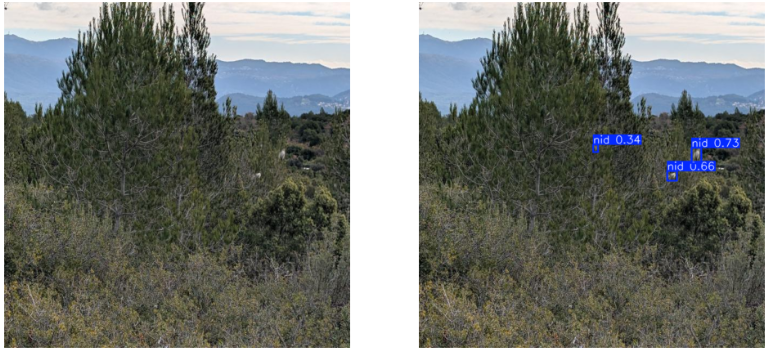
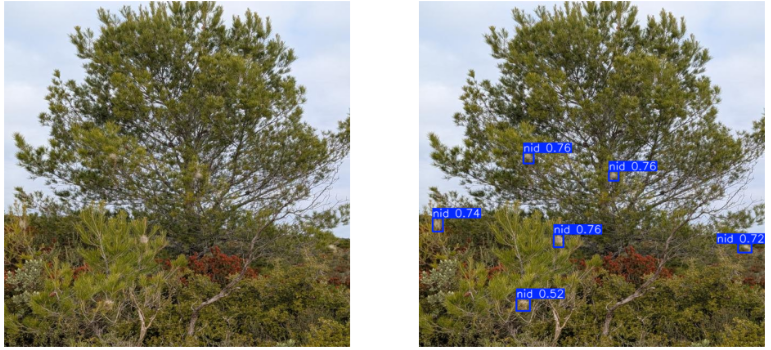
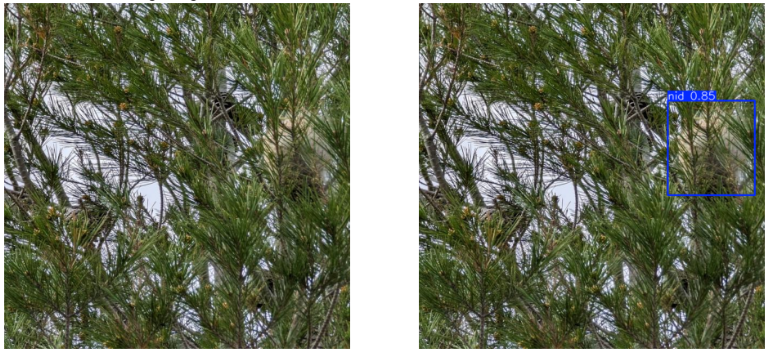
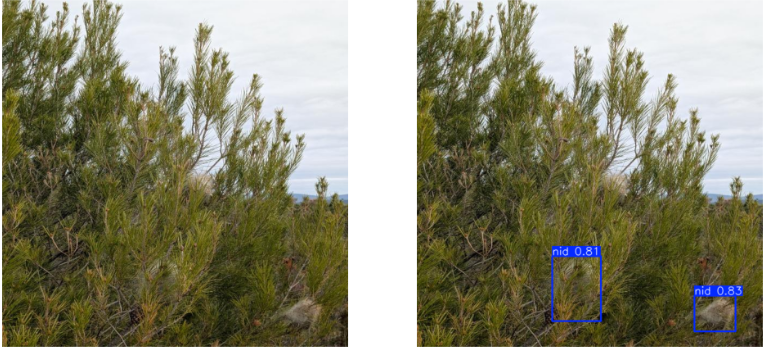
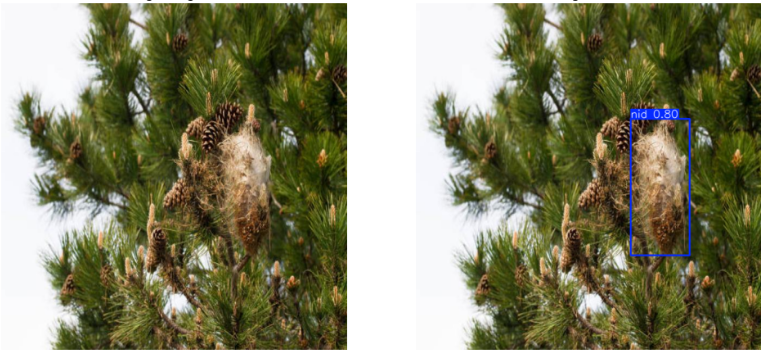
Our AI-powered detection model processes aerial images and videos captured by drones. It identifies and locates pine processionary nests using advanced deep learning techniques, ensuring high accuracy even in complex forest environments.
We trained our model using a dataset of annotated drone images, leveraging YOLOv10 and Multi-Scale Patch Analysis (MSPA) for improved detection of both close-up and distant nests. The model can detect nests in various lighting and environmental conditions, making it a robust tool for forest monitoring.
After extensive testing, our model achieves 98.5% accuracy in nest detection, significantly improving over traditional manual inspections.
Model Test Results
Model Test Video
Try the Detection Model
Upload an image or video — our AI detects pine processionary nests. The location is displayed only if the image contains GPS coordinates, with results shown on a map for precise monitoring.
Upload an Image
Processed Image:
Detected Image Location
Upload a Video
Processed Video:
Geolocation of Detected Nests
This interactive map shows all regions where nests were detected across processed images. Based on extracted GPS data, it offers a complete view of infested areas to support effective monitoring and analysis.
View MapCaptured Images
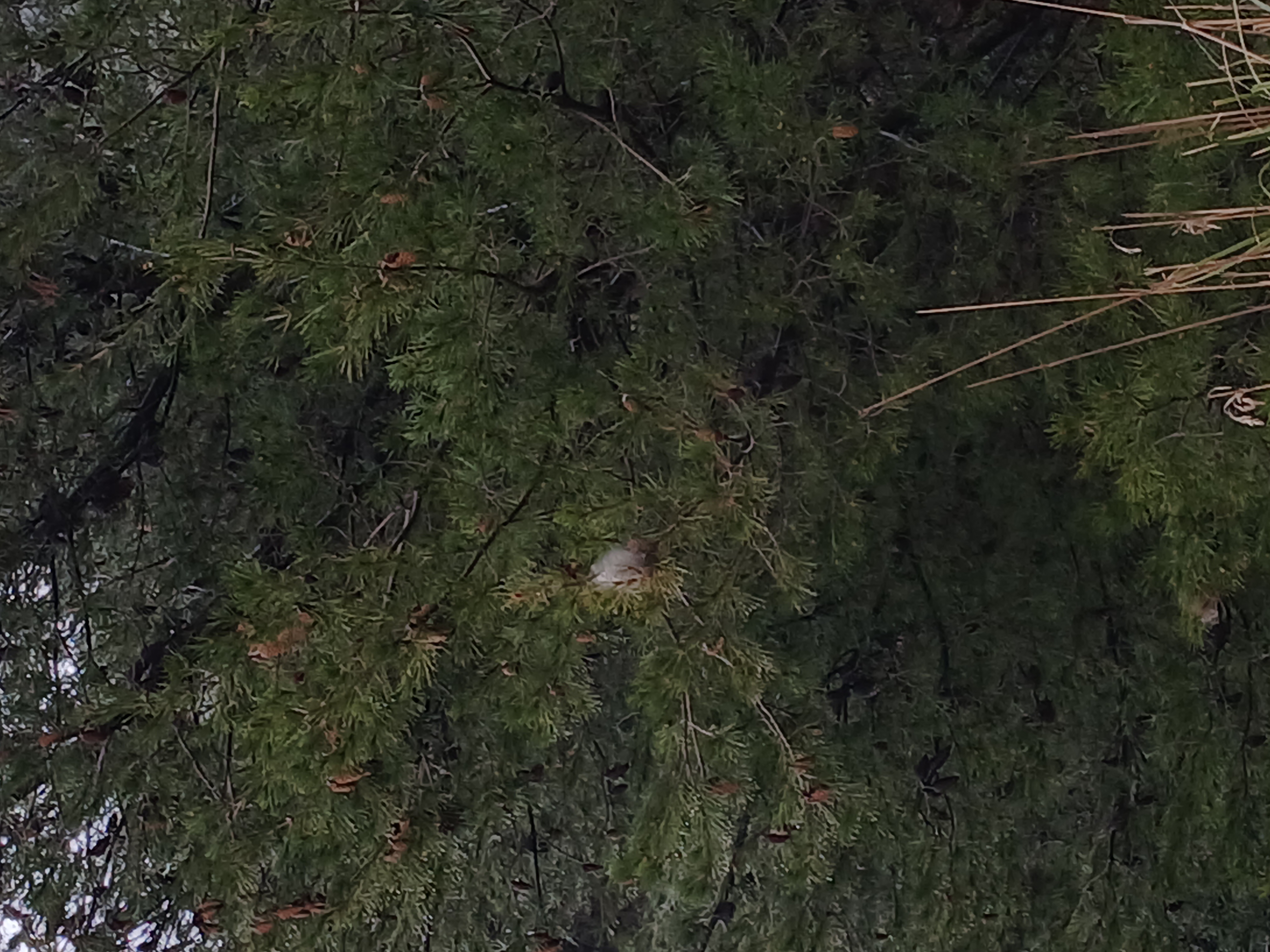
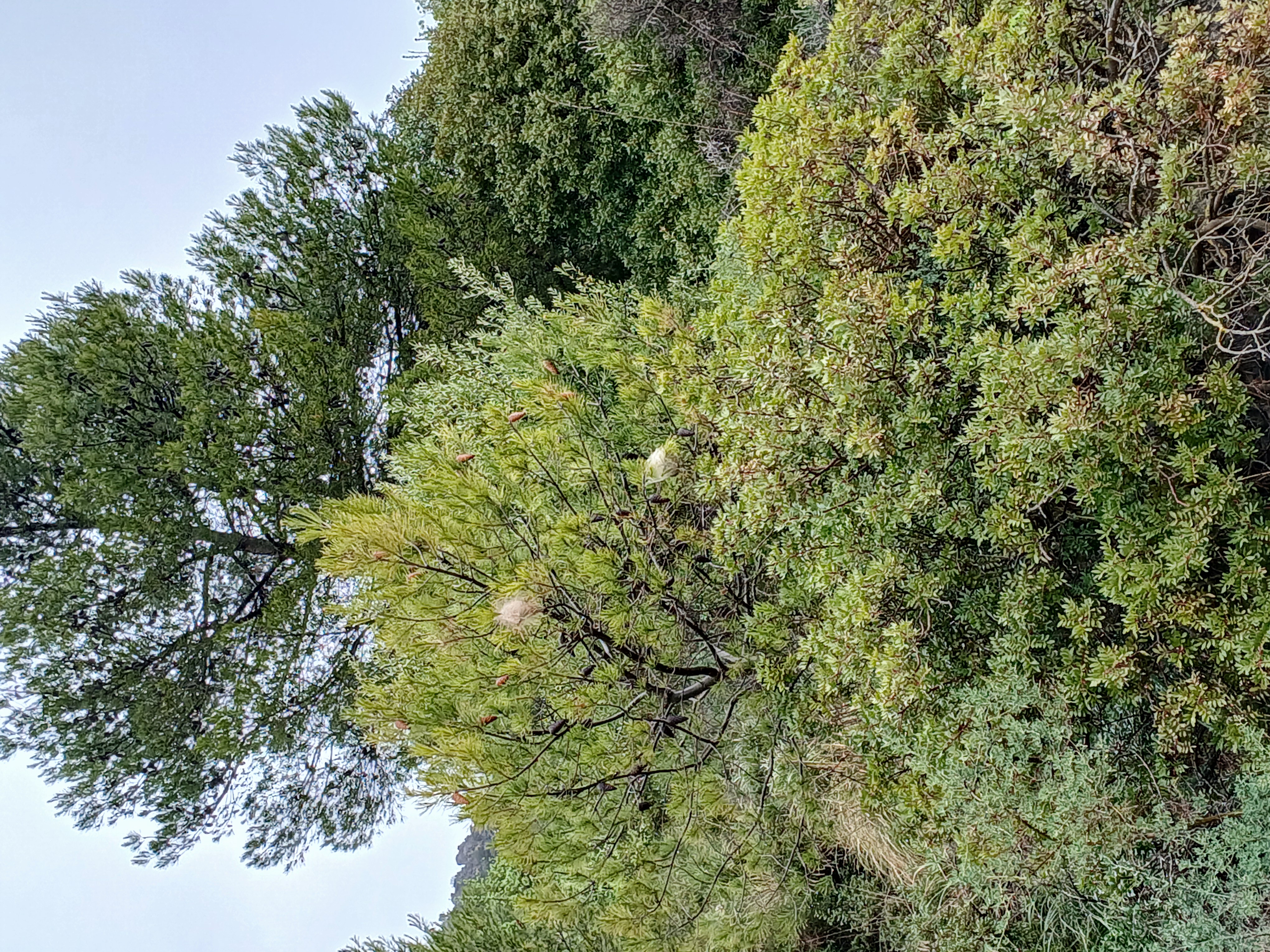
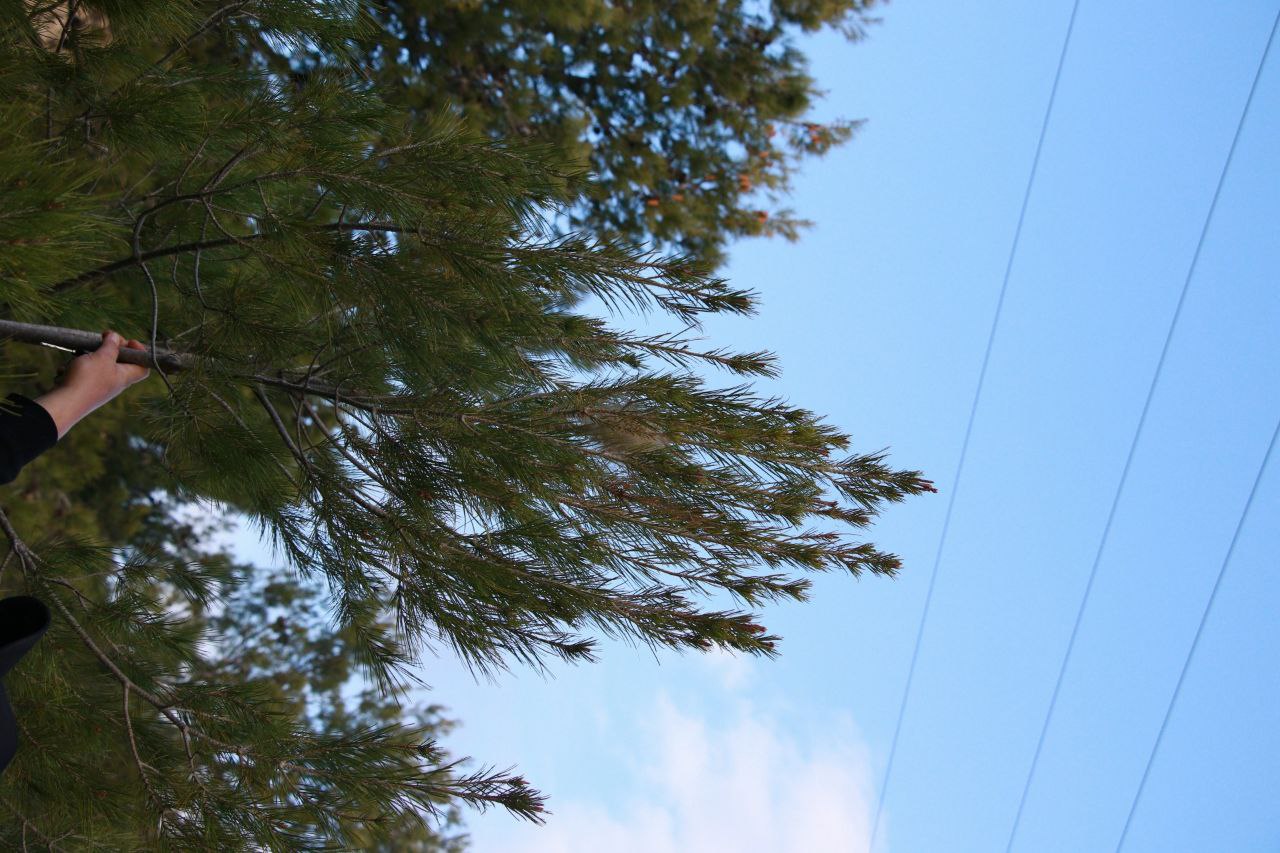
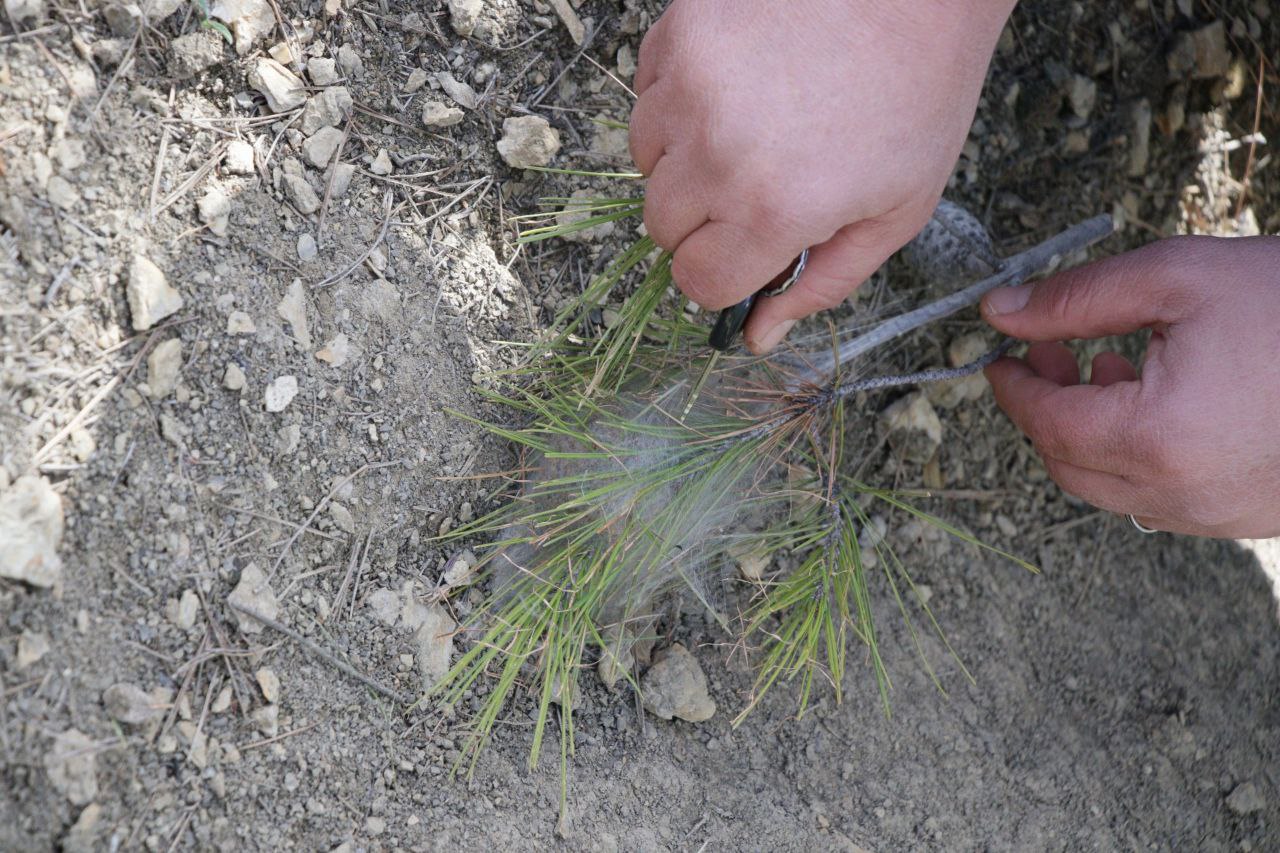
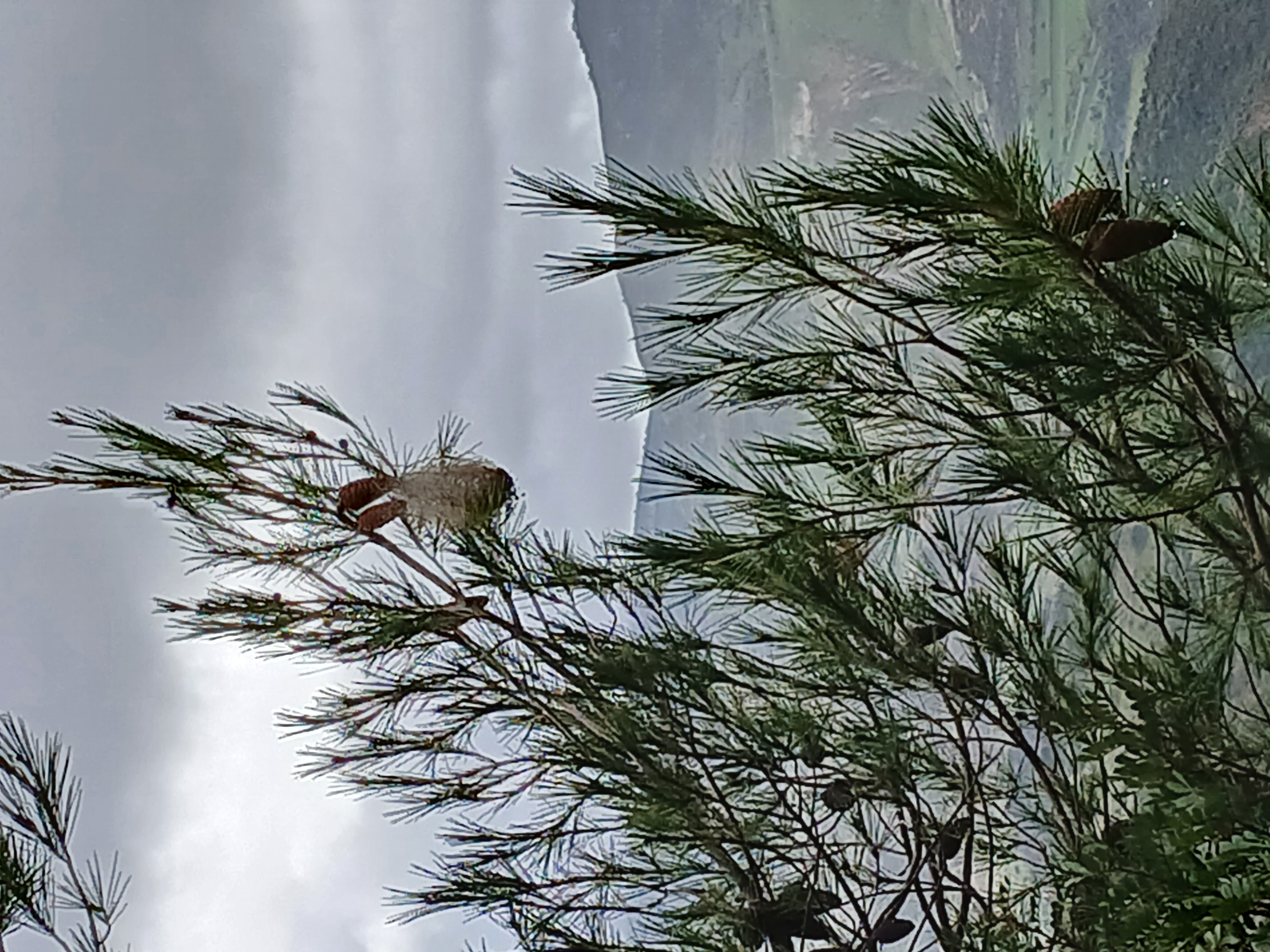
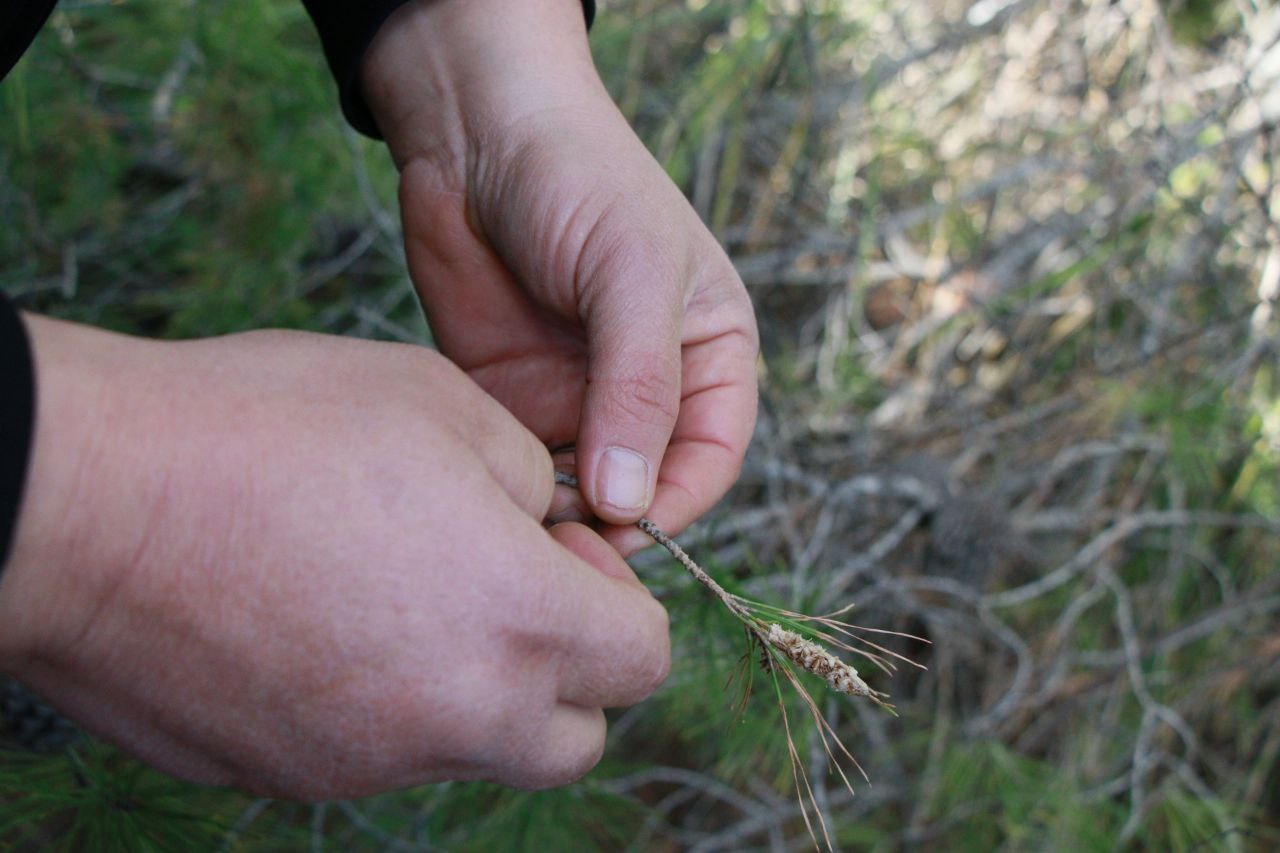
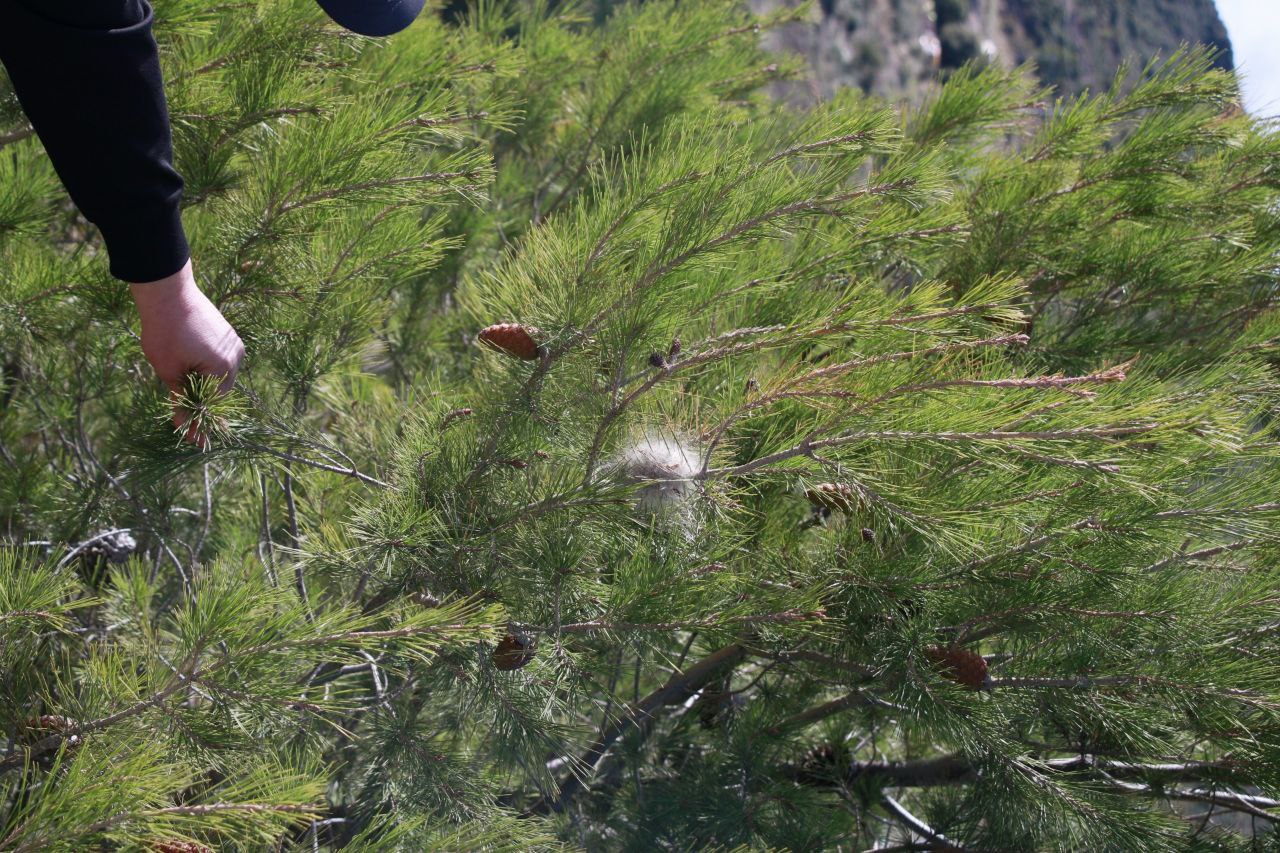
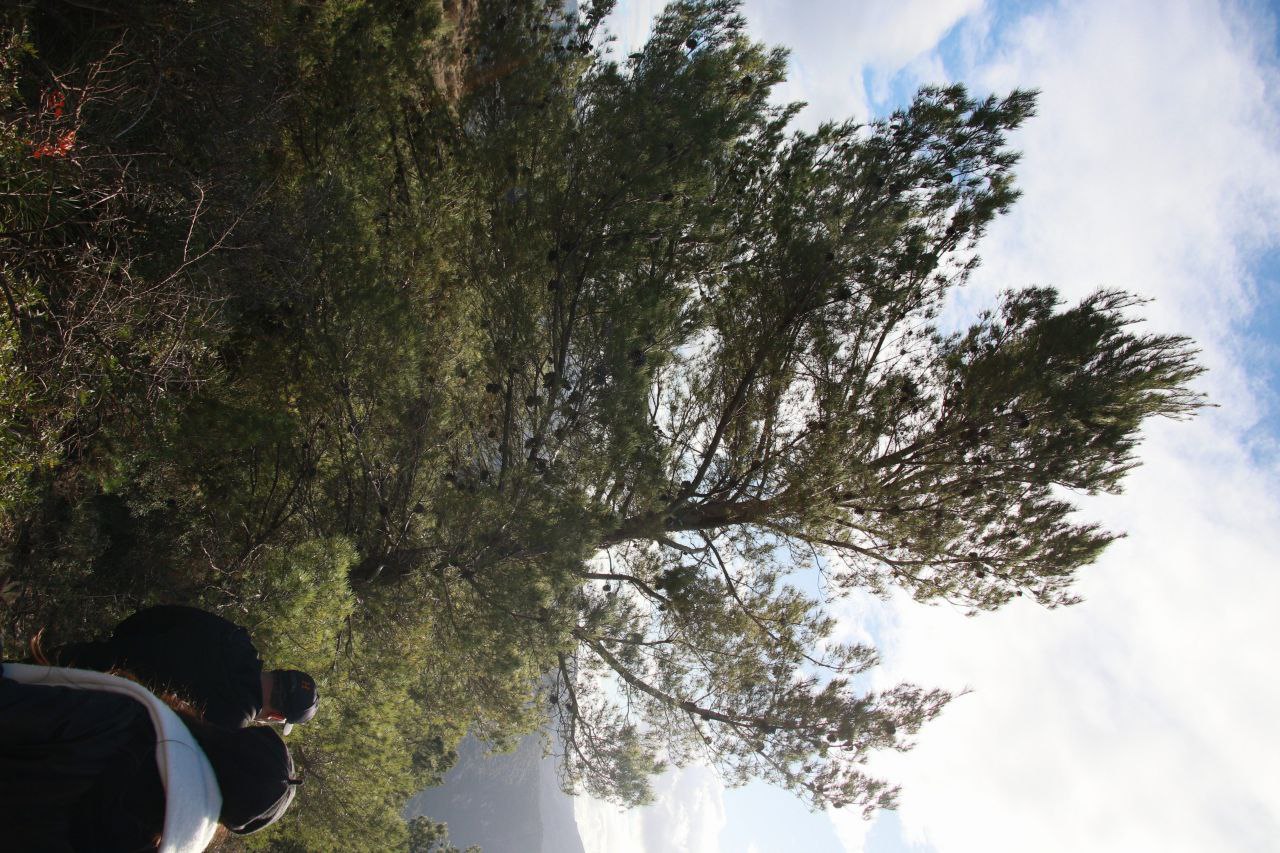
During our field exploration in the forests of Guelma, we faced several challenges while capturing data. From navigating dense areas to identifying Thaumetopoea pityocampa nests, each moment was a valuable learning experience. The gallery below showcases a selection of images we captured, offering a glimpse into the diverse environmental conditions we encountered and the real-world complexities of forest conservation.
Infested Regions in Guelma 2025
The map below highlights the regions in Guelma that were found to be infested by the pine processionary moth in 2025. Each marker provides information about the area, dominant tree species.